The solar power sector has become the fastest-growing segment in the energy family, saving people money every minute thanks to rapid advancements and competitive offerings in the solar industry. In this guide, we’ll talk about how to choose the right solar battery for your home and what key factors you need to consider before making a purchase.
Battery Type
The primary types of solar batteries on the market are lithium-ion and lead-acid. We strongly recommend lithium batteries—specifically LFP (Lithium Iron Phosphate / LiFePO4). LFP batteries offer clear advantages in cost per cycle, energy density, lifespan, safety, and low maintenance.
Battery Capacity
Determining capacity is a simple math equation relative to your solar panel output and daily usage. Generally, sizing your battery capacity to cover 50% to 100% of your daily energy consumption is a solid rule of thumb. You can adjust this percentage up or down depending on your specific setup—such as panel wattage, inverter capacity, anticipated future energy growth, or whether you are on-grid or off-grid.
Battery Brand & Compatibility
The simplest option is choosing a battery and inverter from the same brand. While top-tier matching brands offer high reliability, they can be more expensive. Alternatively, opting for reputable mid-tier battery brands can save you 20% to 30% of your upfront cost. However, always verify communication protocol compatibility between the battery BMS and your chosen solar inverter before purchasing.
Battery Design & Usability
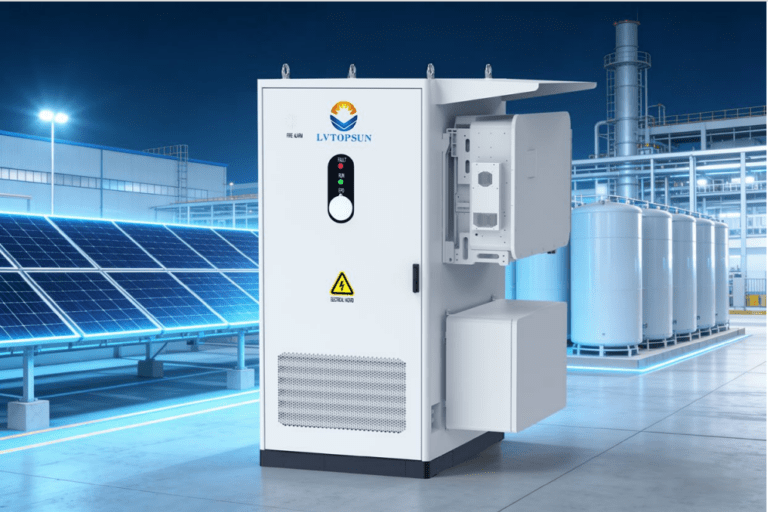
Many modern energy storage systems are designed specifically for DIY-friendly or easy installation. Features such as modular stackable designs, plug-and-play connections, wireless interfaces, and built-in protection panels make setup simple even for non-professionals. If you are not familiar with electrical wiring, it is better to invest in a user-friendly system rather than trying to save a little money on a complicated setup.
Battery Quality & Verification
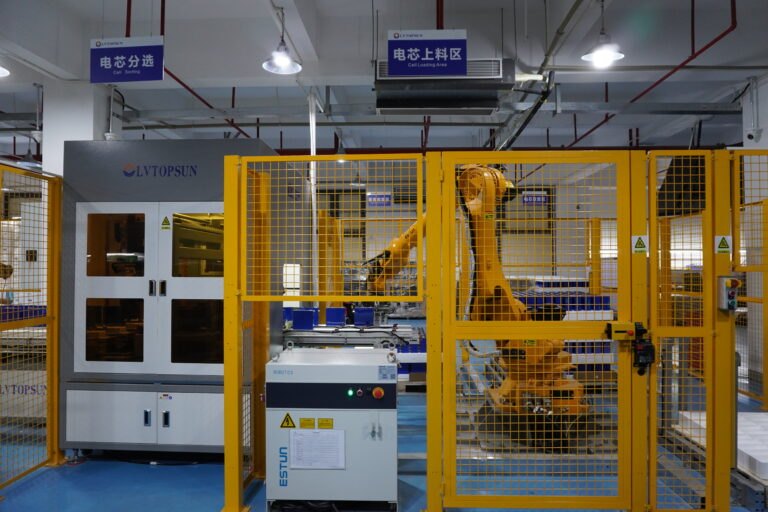
While formal lab testing is difficult for end-users, there is a simple way to verify quality: ask your supplier for the cell QR code records before buying. Scanning these codes allows you to verify crucial details like the cell’s production date, manufacturer, and original specifications. This helps ensure you are getting brand-new Grade-A cells and avoids retired or repurposed batteries.
Battery Voltage: Low-Voltage vs. High-Voltage
Lithium solar batteries are generally categorized into two voltage types:
- Low-Voltage (LV) Batteries: 20V–60V (typically 48V/51.2V nominal systems).
- High-Voltage (HV) Batteries: Above 60V (often ranging from 100V to 400V+).
For energy storage needs under 5 kWh, low-voltage systems are typically the most cost-effective choice. For capacities above 5 kWh, we recommend high-voltage batteries due to their higher system efficiency and lower cable current requirements. Always double-check that your battery voltage matches your inverter’s input voltage requirements.
Top Global Brands for Solar Energy Storage
- BYD
- EVE Energy
- CATL
- Gotion High-Tech
- Sunwoda
- Great Power
- Tesla
- Huawei
This simplified guide aims to help end-users easily navigate their options, save time, and select the ideal energy storage setup. If you have further questions or need assistance choosing compatible equipment, feel free to contact Lvtopsun / Happysun anytime!