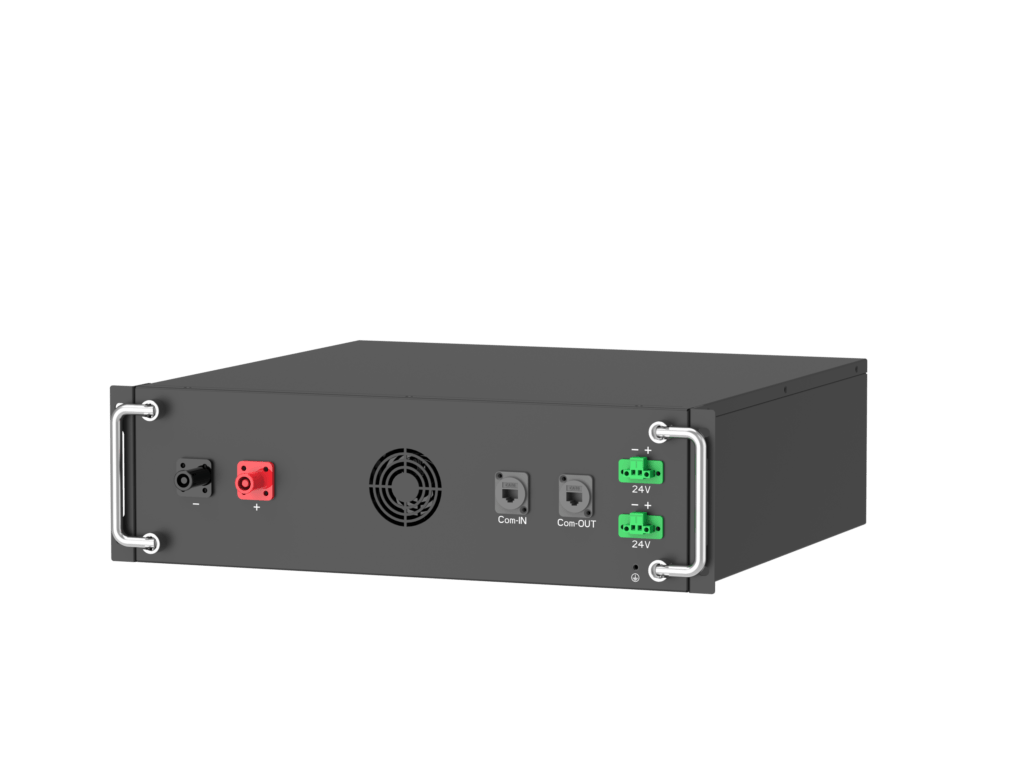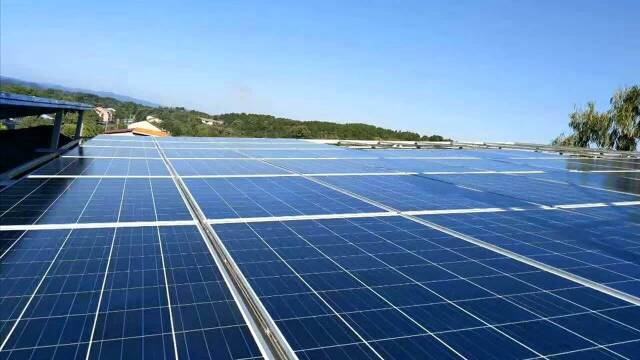
Installing a lithium Iron Phosphate (LFP) battery can be a significant investment towards a more sustainable and efficient energy system. However, before you make the leap, it’s crucial to consider a few key factors to ensure the safety, reliability, and performance of your battery setup:
- Ensure Necessary Certifications:Before installing your lithium LFP battery, make sure it comes with the necessary certifications. Look for certificates such as UN38.3, CE, UL, MSDS, ROHS, and any specific qualifications required in your region. These certifications ensure that the battery meets industry standards for safety and performance.
- Source from Renowned Companies: Select batteries from reputable and renowned companies such as BYD, EVE, CATL, and others. Chinese lithium batteries are a better option for both price and quality as a common rule of thumb. Choosing a trusted brand makes things easier regarding lifespan, warranty, and overall quality—not just the price.
- Brand New Battery Cells: Brand new cells ensure consistent performance and longevity for your energy storage system. This step is crucial in maximizing the efficiency and lifespan of your LFP battery. Be cautious with your solar supplier; almost all solar suppliers will say their cells are brand new, but maybe only 40% actually are. To find more information about your battery, inspect and scan the QR codes, which will display relevant details to you.
- Over-Heat Protection and Unique Properties:Understand the unique properties of lithium LFP batteries, such as the absence of lithium in the cathode when fully charged. In contrast, in a Lithium Cobalt Oxide (LiCoO2) cell, approximately 50% of lithium remains in the cathode. Additionally, LiFePO4 batteries exhibit high resilience during oxygen loss, reducing the risk of exothermic reactions seen in other lithium cells.
Safety, reliability, and performance are the key factors when you consider installing a LiFePO4 battery. These are a few key points we need to pay attention to, and you should always consult with professionals and adhere to best practices to make the most out of your investment in solar energy technology. However, do not be misled: LiFePO4 is very safe in reality, and we just want to make sure you are covered in all situations, even if the risk probability is only 0.01%!